

Kindergarten readiness is one of the most important goals of early childhood education, but what does it mean to prepare every learner for their journey into kindergarten and beyond? These five essential strategies support both neurotypical students and students with disabilities in their transition to kindergarten, ensuring that all learners have the foundation they need to thrive.

To bridge the gap between early childhood philosophy and K-12 expectations, we are providing administrators with a strategic PreK to Kindergarten Transition Toolkit that is grounded in best practices and outlines four essential pillars: data, curriculum, professional development, and family partnership.

For students with moderate to severe disabilities, continuous learning is critical to maintaining progress on IEP goals and skill building. We’ve compiled a list of hands-on, engaging activities that can be embedded into students' regular schedule and play throughout the winter break. With these tips and ideas, learning will be so integrated into students’ fun-filled days, they won’t even realize it’s happening!

Are you simply using your special education curriculum, or are you truly maximizing its potential for transformative student growth? Maximizing your curriculum is the difference between maintaining the status quo and achieving high-impact outcomes for both your students and your professional practice.

In this blog, we explore why early childhood is the ideal time to implement inclusion and discuss the multiple benefits of high-quality, inclusive preschool settings, detailing how it leads to stronger academic and social gains for children with disabilities, while also equipping neurotypical peers with crucial skills in empathy and acceptance
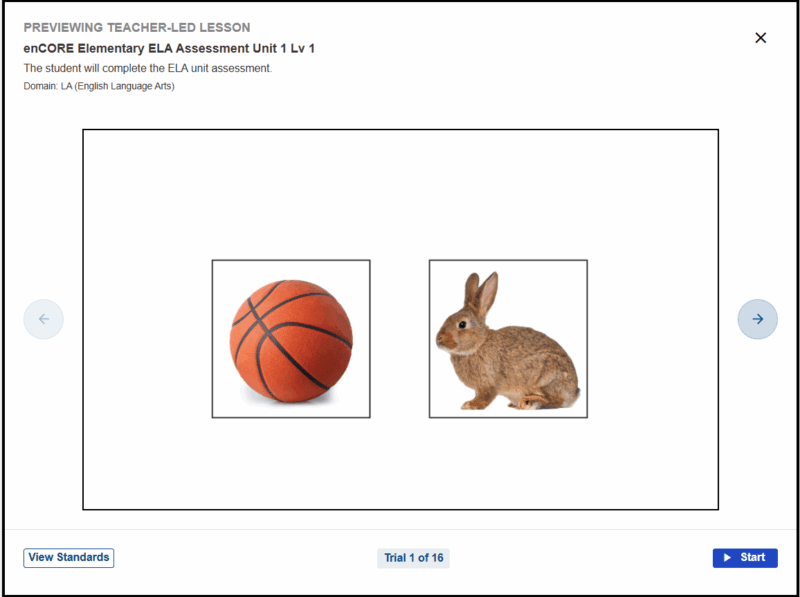
enCORE Elementary Unit Assessments are now available both in their regular format of all domains in the same assessment AND in a new format where we focus on only one domain.

Helping students strengthen their language skills in their early childhood years could have a major positive impact on their future success and wellbeing. In this blog, we’ll be discussing the benefits of early language intervention and how to spot potential language delays or disorders in young students.

With a quarter of SLPs citing staff shortages as the greatest barrier to managing their workload, the challenge is clear: demand is high, and SLPs are stretched. This requires school leaders to seek out more effective, integrated service models that move beyond traditional "pull-out" therapy. In this blog, we’ll discuss practical strategies for using interprofessional collaboration to improve student outcomes and caseload efficiency.

More than 75% of students have experienced one or more adverse childhood experiences (ACEs) by the time they reach high school, and 18.5% have experienced four or more ACEs. With roughly 15% of public school students receiving special education services, one thing is clear - there are countless students with disabilities navigating trauma alongside their learning challenges. This leaves us with a vital question: how can educators support the needs of our most vulnerable and complex learners?

Errorless learning and prompt fading are helpful tools for teaching students with moderate to severe disabilities new or replacement skills. In this blog, we’ll discuss what errorless learning and prompt fading look like in practice, why these are effective strategies, and how TeachTown’s curricula utilizes errorless learning and prompt fading