
More than 75% of students have experienced one or more adverse childhood experiences (ACEs) by the time they reach high school, and 18.5% have experienced four or more ACEs. The CDC defines ACE’s as “preventable, potentially traumatic events occurring before age 18 years” with experiences ranging from physical or emotional abuse to parental separation or household instability.
With roughly 15% of public school students receiving special education services, one thing is clear – there are countless students with disabilities navigating trauma alongside their learning challenges. This leaves us with a vital question: how can educators support the needs of our most vulnerable and complex learners?
Trauma can have several harmful effects on students: trouble with social skills, difficulty with emotional regulation, executive functioning challenges such as memory and focus, and much more. If you work with children who have ASD or ADHD, you may recognize that the symptoms of trauma are very similar to these developmental disorders, which leads us to a few important considerations:
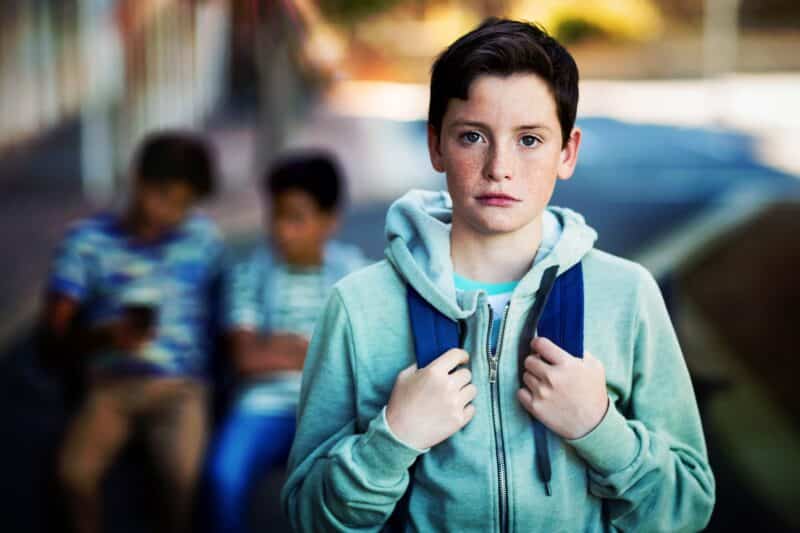
Trauma-informed teaching is increasingly shaping classroom practices, but its application can look different in special education. For students with moderate to severe disabilities, some of whom may also be navigating the impact of trauma, educators need strategies that go beyond general approaches. The following practices highlight effective ways to create safe, supportive learning environments tailored to their unique needs.
Note: If you are working with a student who is or may be affected by trauma, consult your school’s mental health professional.
One of the most important components of a trauma-informed classroom is creating a safe environment for your learners. Making your physical classroom feel like a safe space may include removing elements that are overstimulating or distracting and designing your room to feel calming and welcoming. Some examples include: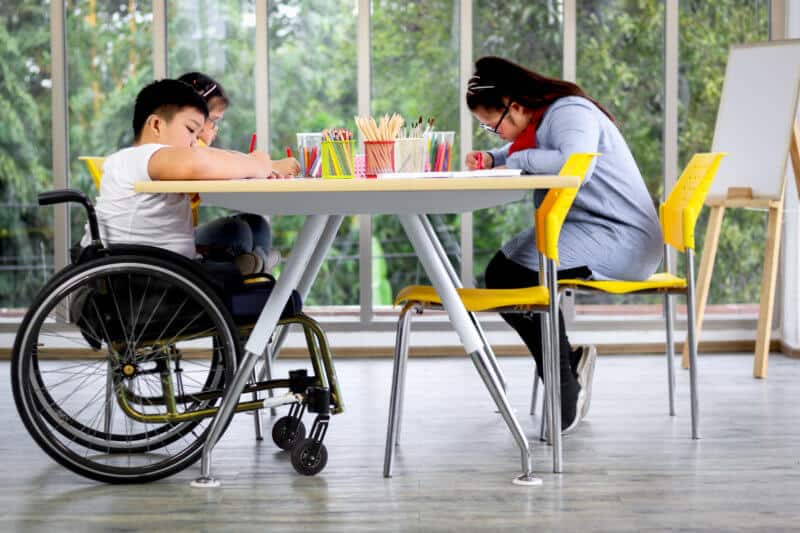
It’s important to remember that while calmness is a good base for a classroom setting, sensory needs differ, and some students need more stimulation to feel grounded. Offer materials such as weighted vests, sensory bins, or fidgets as needed for these students. Headphones are a great option for both reducing noise and increasing it. Another component of creating a safe classroom is nurturing a space that is welcoming of all students. Include representation of different people and cultures in classroom decor and learning materials.
Demonstrate that you are a safe and supportive presence by building positive, trusting relationships with your students. Design learning materials and goals that reflect their individual hopes and interests, and take time to ask questions that show genuine care. When tough behaviors come up, separate the behavior from the child – reminding them that they’re still seen, valued, and respected.
As special educators, we know that our students are more successful when following a predictable routine. The same is true for students who have experienced adverse experiences. Much of trauma is centered on negative, unpredictable experiences or unreliable persons. Creating a schedule that allows students to know what to expect helps them feel safer entering into the next part of their day. Of course, complete predictability is not always possible. Use supports, such as a visual schedule or first/then board, to help prepare students for a change or transition.
A key part of trauma-informed support is understanding each student’s triggers. For a child who has experienced adversity, certain situations, words, or actions can unintentionally connect back to their trauma. While mental health professionals may help students work through these triggers over time, educators and behavior specialists should aim to use strategies that minimize or avoid them. At times, this may require rethinking or even setting aside common behavioral strategies in order to prioritize the student’s sense of safety. For example:
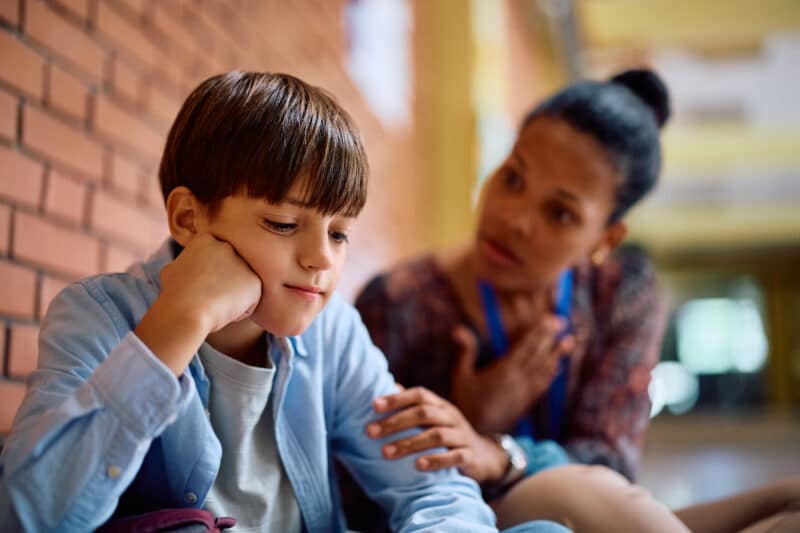
Triggers should also be considered when writing IEP or behavior goals. For example, a seemingly positive goal like ‘sharing’ could be triggering for a child who has experienced a lack of autonomy or control in their life. When writing IEP goals for any student, it’s best practice to use trauma-informed language. Some key questions can include: Does this language sound punitive or supportive? Could this be harmful in any way? How can I write this goal to provide flexibility and care? Here are a couple examples:
Goal: “Student will follow adult directions immediately without protest in 90% of opportunities.”
Trauma-Informed Alternative: “Student will use a coping strategy (deep breath, request a break, or ask for clarification) when given a non-preferred direction in 4 out of 5 opportunities.”
Goal: “Student will maintain eye contact with teacher during instruction in 70% of opportunities.”
Trauma-Informed Alternative: “Student will demonstrate attention to instruction through a chosen method (looking at speaker, repeating directions, taking notes, etc.) in 70% of opportunities.”
Of course, triggers won’t always be able to be removed. For example, a student may be triggered by crowded spaces or loud alarms, but these situations are unavoidable in a traditional school setting. For these scenarios, prepare the student as much as possible, using visuals or other supports if helpful.
Another form of implementing trauma-informed support is using positive behavior strategies. Positive behavioral strategies are methods teachers use to guide student behavior by emphasizing support, encouragement, and skill-building. These strategies help students learn what to do, practice self-regulation, and feel motivated to make positive choices. Some examples include:
Looking for a roadmap of research-informed strategies for special educators? Check out TeachTown’s Moderate to Severe Teaching & Learning Framework!
Trauma-informed teaching involves supporting the whole child, helping students experience overall well-being and achieve both personal and academic goals. This might involve creating goals that go beyond addressing deficits to highlight student strengths and incorporate their interests. For example, a student who enjoys cooking may have a goal of learning measurements.
Teaching social skills and emotional regulation is another way to help students who have experienced trauma. Again, triggers should be considered when teaching calming skills. While one student may find it calming to receive a hug, another may find it triggering. Providing space for voluntary self-expression, whether through morning circles, art, or journaling, allows students to explore healthy coping strategies in ways that feel safe for them.

Incorporating multisensory learning – movement, tactile tools, music, and visuals – can also help counter some of the symptoms of trauma by:
Students with disabilities are multifaceted learners with nuanced strengths, needs, and abilities. That’s why we created our standards-first, adapted core curriculum, enCORE, alongside our key, supporting interventions that address the adaptive, social, and behavioral needs of students. TeachTown’s PreK-12+ Whole Child Approach goes beyond academics to nurture students’ abilities to self-advocate, problem solve, manage time, and develop healthy peer relationships. In addition, TeachTown’s flexible implementation options means teachers can meet the wide array of learning and behavioral needs in your classroom.
Let TeachTown’s Whole Child Approach be your first step towards a more holistic education for you students with moderate to severe disabilities – learn more!
Tasha McKinney brings over eight years of experience in education. After four years of teaching outdoor education programs, she pursued a Master’s in Early Childhood Special Education at the University of Texas. Since then, she has worked in classroom settings and created content for EdTech companies.