If you’re an early childhood educator or administrator, you know that timing is everything in a child’s development. These early years represent a unique and powerful window of opportunity for learning key skills. At this age, children are innocently curious, more open to differences, and less likely to have established biases than older students.
The developmental gap between children with and without disabilities is often at its smallest in early childhood. By bringing students together during this “prime time,” we leverage a period of maximum moldability, ensuring neurotypical children start their educational journey by learning the skills of empathy and acceptance, while children with disabilities gain the vital social and academic modeling needed to accelerate their own skill development.
Benefits for Children with Disabilities
Inclusion in a general education preschool setting can have a remarkable and wide-ranging impact on young learners with disabilities. Here’s why:
Stronger Academic Gains:Research shows that students with disabilities in high-quality inclusive classes often show better academic and cognitive outcomes than those in pull-out programs. Exposure to a more challenging curriculum in the general education setting, along with necessary individualized support, naturally leads to personal progress. Studies show children with disabilities can make comparable or even greater gains in crucial areas like early literacy and oral language when learning alongside their peers. Plus, placement in inclusive settings has been linked to better preparedness for kindergarten and beyond!
Increased Social Skills and Positive Peer Relationships: In inclusive settings, students with disabilities get significantly more opportunities to interact with typically developing children. Their peers provide a rich source of natural modeling for social skills and communication. For example, a child who often defaults to repetitive behavior like hand-flapping or spinning learns to replace those isolated behaviors with a shared, communicative play sequence by mirroring a peer who initiates a game or pretend play. These opportunities help reduce social isolation and promote the development of meaningful friendships.
Belonging and Confidence: Inclusive classrooms naturally create an environment where children feel supported and accepted. Being part of the general classroom community helps children with disabilities build their confidence and develop a more positive self-esteem. When differences are normalized and celebrated, classrooms can reduce stigma and empower all students to participate fully.
Learning Essential Life Skills Naturally: The daily routines, expectations, and engaging activities of a typical preschool setting offer a natural and ideal context for learning adaptive and self-help skills. Simply observing and participating in the regular school schedule encourages greater independence. Common preschool tools like visual schedules and explicit instruction also directly support neurodivergent children in mastering the social competence and critical thinking skills they need for success in both school and life.
Benefits for Neurotypical Peers
Inclusive preschool settings can also be beneficial for neurotypical peers attending with students who have disabilities. These students can experience:
More Positive Attitudes Towards Disabilities & Differences:Research indicates that students who attend school alongside neurodivergent students expressed more positive attitudes towards them. As they get older, these typically developing students build a deeper understanding of disability and learn to interact respectfully with the differing abilities in the world around them. This ability to accept and celebrate differences lays the foundation for embracing all forms of diversity, including differences in culture, language, and socio-economic status.
Greater Emotional Understanding: By regularly interacting with classmates who have disabilities, typically developing children must learn to recognize and interpret a wider, more nuanced range of emotional expressions and communication styles. This process naturally elevates their emotional understanding (empathy and social cognition), equipping them with stronger relationship and social-awareness skills applicable far beyond the inclusive classroom.
Ensuring a Positive Inclusive Classroom Experience
Of course, inclusion comes with its challenges, and steps should be taken to ensure that young learners with disabilities and their typically developing peers are getting the best educational experience possible.
Inclusive preschool settings create positive academic and social outcomes for all students and establish a foundation that ensures that our youngest learners are practicing the skills necessary to thrive in the Least Restrictive Environment as they transition into K-12. Note: While inclusion is the goal, we recognize that pull-out services or specialized instruction are sometimes needed to best serve students and their peers.
The best place to start is with an inclusive, high quality early childhood curriculum.
TeachTown’s Launch for PreK is a comprehensive, inclusive curriculum for ages 3-5 designed to meet the needs of young learners with developmental delays and disabilities AND the peers who learn alongside them. Launch for PreK’s thematic approach allows teachers to address developmentally-appropriate skills for students with diverse learning needs and abilities. Celebrate inclusivity while targeting key global learning domains, including language, literacy, and social development – learn more!
Tasha McKinney brings over eight years of experience in education. After four years of teaching outdoor education programs, she pursued a Master’s in Early Childhood Special Education at the University of Texas. Since then, she has worked in classroom settings and created content for EdTech companies.



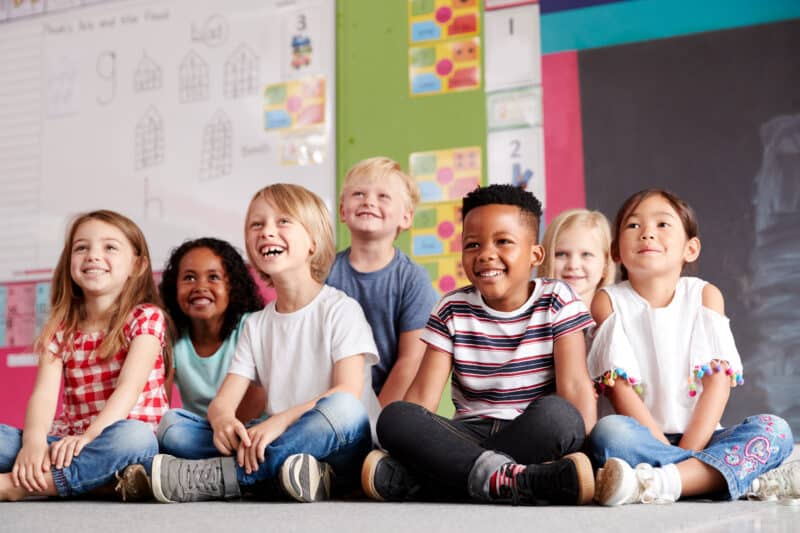 Of course, inclusion comes with its challenges, and steps should be taken to ensure that young learners with disabilities and their typically developing peers are getting the best educational experience possible.