
The transition from high school to adulthood is a pivotal crossroad for every student. But for our most complex learners, a successful transition isn’t just about finishing high school. It’s about intentionally building the scaffolding of independence that will support them long after the school bus stops coming.
To achieve this, we must consider the comprehensive programming, community partnerships, and evidence-based strategies that make a successful launch possible. Below, we examine the essential elements that define a robust transition program and why this intentional approach is a critical investment in every student’s future.
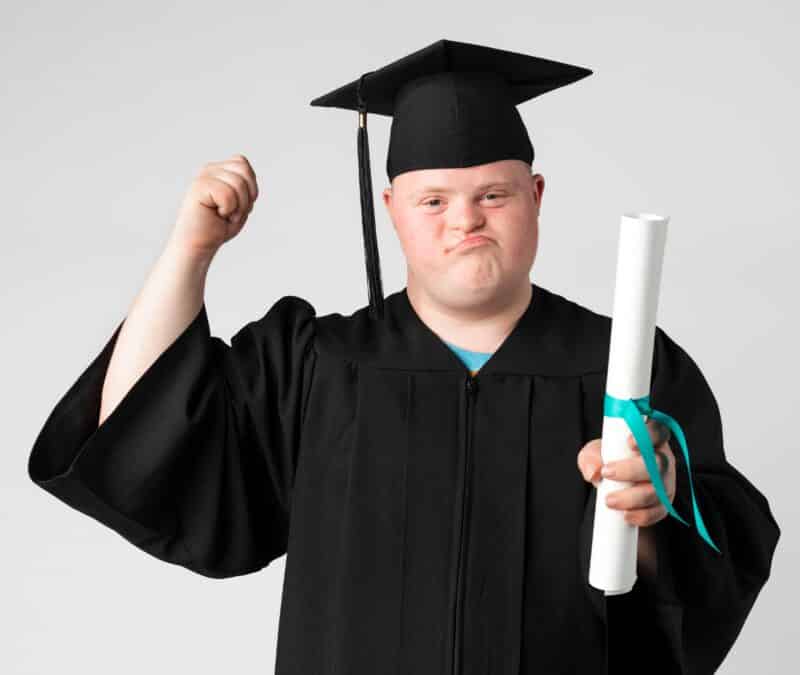 Under the Individuals with Disabilities Education Act (IDEA), transition planning is a federally mandated right for students with an IEP. While federal law requires this process to begin by age 16, many states initiate planning at 14 to ensure a longer runway for skill development.
The law defines transition services as a coordinated set of activities designed within a results-oriented process. To meet this standard, services must be:
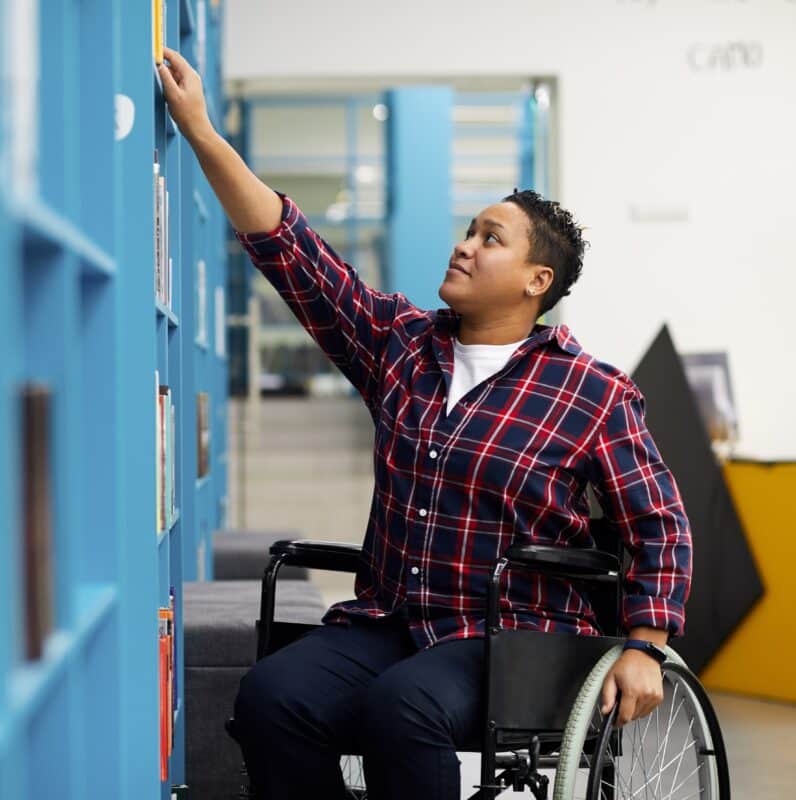 There are currently about 7.5 million students eligible for services under IDEA, yet the statistics reveal a post-grade school gap between students with and without disabilities. About 74% of students with disabilities graduate with a regular diploma, compared to 87% of their peers. Approximately 22.7% of persons with a disability are employed, compared to 65.5% of the general population. And 21.2% of individuals with disabilities who are 25-years-old or older have a bachelor’s degree or higher compared to 38.7% of neurotypical adults.
High-quality transition planning is the primary tool we have to close these gaps. The value of a robust transition program is backed by both human outcomes and economic data. Research consistently shows that students who participate in robust, student-centered transition programs experience significantly higher levels of life satisfaction and better post-school outcomes, including:
High-quality transition programming benefits more than just the student. Expenditures for students who receive special education services are about 1.91x greater than expenditures for students in general education. By focusing on vocational readiness and functional independence early, schools can help students meet their goals and graduate out of the school system more quickly. Effective programming reduces the likelihood of students remaining in the system until they age out, ultimately saving districts significant resources in long-term service costs. In other words, developing a robust transition program is a fiscally responsible decision for your district.
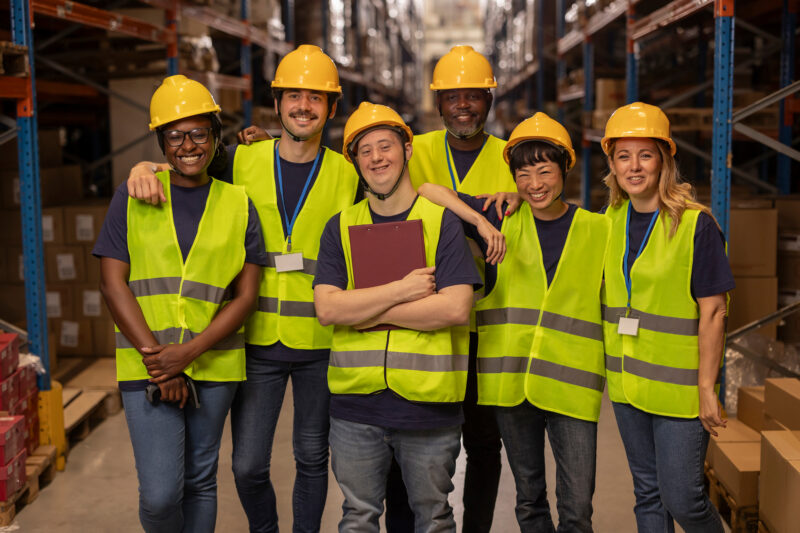 A robust program moves beyond the classroom walls and integrates the student into the fabric of the community. It shouldn’t just be a list of goals on a document; it should be an active, evolving experience that prioritizes self-sufficiency and independence through several key pillars:
1. Student-Focused and Self-Directed: By utilizing person-centered planning and inviting students to be a part of their own meetings, we ensure their interests, strengths, and goals drive instructional choices. This transforms the transition process into a period of discovery where students learn to advocate for their own needs and pursue a future defined by their own choices.
2. Student Growth Over Time & Across Domains: Skills needed for adulthood should be identified and practiced well before high school to create a developmental plan that addresses the “whole child” across three critical domains:
3. Community-Based Learning and Coordinated Services: Transition services are most effective when they happen in the real world. Practicing a skill in a classroom is one thing; practicing it at a local bank, grocery store, or job site allows for naturalistic instruction. These opportunities help ensure that students have access to paid jobs and internships before exiting the school system, increasing the likelihood they will generalize these skills to adulthood.
4. Family Involvement & Access: To promote long-term success, families must be included in the process. Families of students with disabilities should receive the same high-quality career guidance, job fair access, and counselor support as their neurotypical peers, ensuring a coordinated effort between the home, school, and community.
At TeachTown, we believe that preparing complex learners for the future requires a Whole Child Approach. From early childhood through the transition years, we provide the tools necessary to honor the humanity of each student and build the scaffolding for lifelong independence.
Our comprehensive solutions empower educators to deliver a measurable, whole-child education, beginning with enCORE, our K-12 standards-first, adapted core curriculum. enCORE provides students with moderate to severe disabilities equitable and inclusive access to the general education curriculum.
By uniting core academics with targeted interventions, we address the multifaceted adaptive, social, and behavioral needs of every learner. Our transition curriculum, Transition to Adulthood, is designed for students ages 14+ and uses point-of-view video modeling and task analyses to teach critical, functional skills. From practicing job-related routines to mastering time management and daily living tasks, students build the confidence and self-sufficiency needed to meaningfully participate in their communities.
Ready to see how TeachTown can help your district meet the promise of IDEA and drive measurable student outcomes? Explore our K-12 Whole Child Approach.
Contributor Bio
Tasha McKinney brings over eight years of experience in education. After four years of teaching outdoor education programs, she pursued a Master’s in Early Childhood Special Education at the University of Texas. Since then, she has worked in classroom settings and created content for EdTech companies.